
Frank Figuli said one of the most effective ways for people to make a positive difference in the Highlands is to partner with U-Links to bring a focused, community-based research project to life.
The non-profit’s program coordinator said U-Links is actively taking on proposals from the public, with initiatives typically centred on environmental, cultural, social and economic issues.
Once a project has been approved, Figuli said U-Links markets them to students from Trent and Guelph universities.
Last year, the organization worked with 239 students on 38 projects across the County. Some of the major initiatives included analyzing the viability of artificial loon nesting platforms, how to implement underground greenhouses in Haliburton County; and whether municipal digesters are an effective tool to reduce landfill waste.
As of early June, Figuli said he had found students for five projects for the 2026-27 academic year, though he’s hoping to match last year’s total. Rather than assigning proposals to young researchers, Figuli said U-Links allows students to pick their projects. That’s why some proposals have sat on the shelf for many years.
“I don’t cherry pick. Anything we have an opportunity to pursue, we pursue. The bottleneck comes because it’s up to students to apply,” Figuli said. “That’s really the best way – then you know you’re getting someone who’s passionate and excited about what they’re doing. You’re going to have more heart and soul put in.”
There will be more work done this fall on the artificial loon nesting platform study, while students will also look into seasonal apple production in community kitchens, help develop a hazardous algae bloom reporting framework for the County, and provide data-driven insights for CanoeFM’s future.
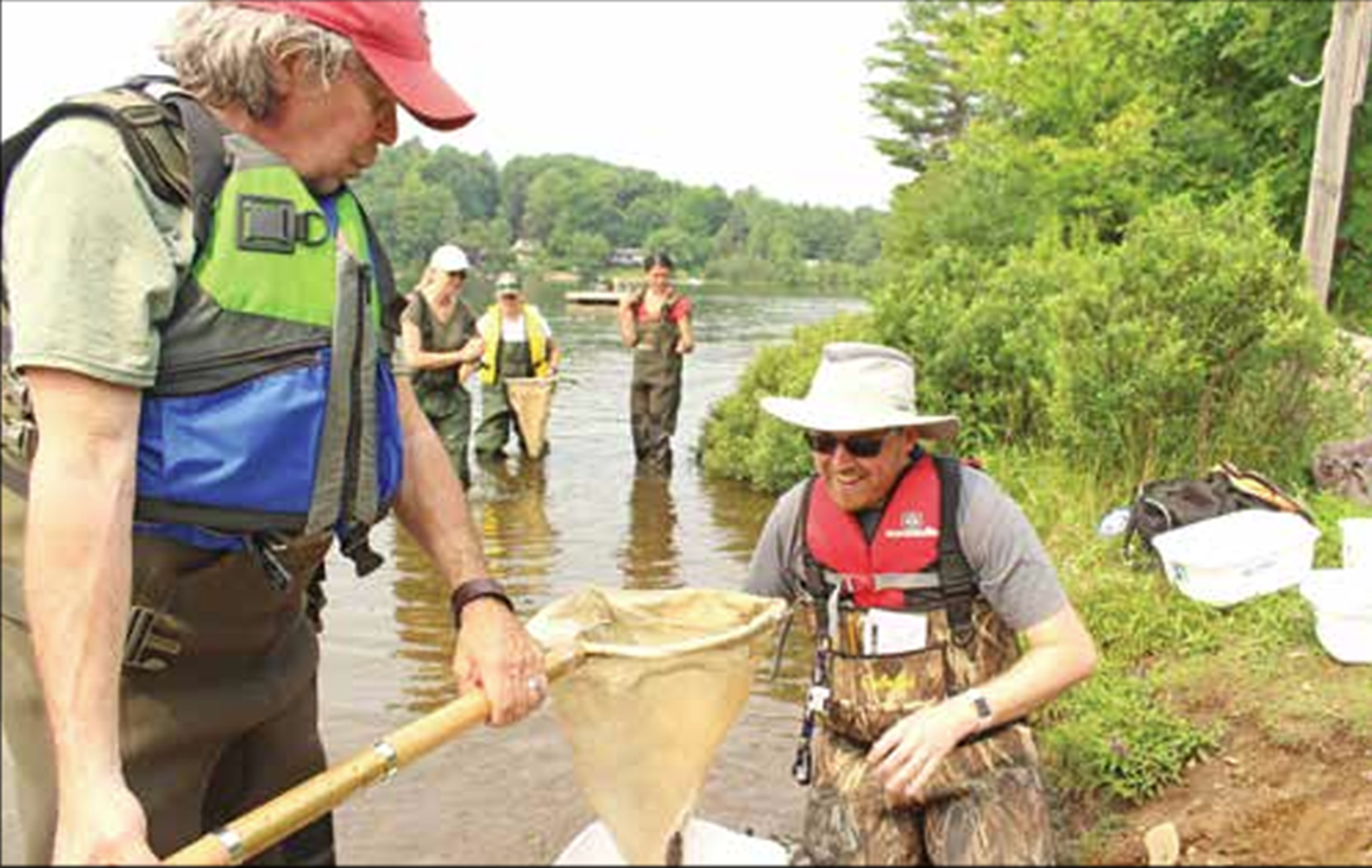
While Figuli said about 80 per cent of U-Links programming is environmental, thanks largely to offerings under its Woodlands and Waterways Eco-Watch program, there are interesting proposals ready to go in other sectors.
U-Links has one project drafted with the Haliburton basic income group, to investigate the benefits of a guaranteed livable wage and potential pathways to making it happen. Figuli said he’s also been working with Canoe’s Roxanne Casey on a project unpacking the history of the radio station building, which was once a Red Cross Outpost.
There’s also a project with the Haliburton Highlands Arts Centre Foundation to do a follow-up on a feasibility study completed in 2022. The organization wants to build a new performing arts facility and has secured land on Wonderland Road.
“We’re looking to do a community and stakeholder assessment for them, looking at things from the public’s perspective on what they want for programming and amenities they want in a new building,” Figuli said. “We don’t have matches for any of these projects yet, but we’re hoping to have them paired with students for the fall.”
For anyone looking to pitch a new idea, Figuli said they have until Aug. 10 to firm up their interest. There’s a PDF on the U-Links website for people to follow-up. They need to provide a brief description of the problem or challenge they’re facing, what questions they’d like answered and how the project would benefit the community.
“If there’s a person or an organization that doesn’t have the bandwidth or resources right now to approach something they’re interested in, a community-based research project is a great way to support that, provide an experiential learning opportunity to somebody entering the professional workforce, and get their questions answered 99 per cent of the time,” Figuli said.