
The voices of nearly 4,000 parents and guardians, along with hundreds of students, are helping shape how the Trillium Lakelands District School Board (TLDSB) responds to some of the biggest challenges facing its schools – from classroom behaviour and homework to bullying, mental health and the impact of social media.
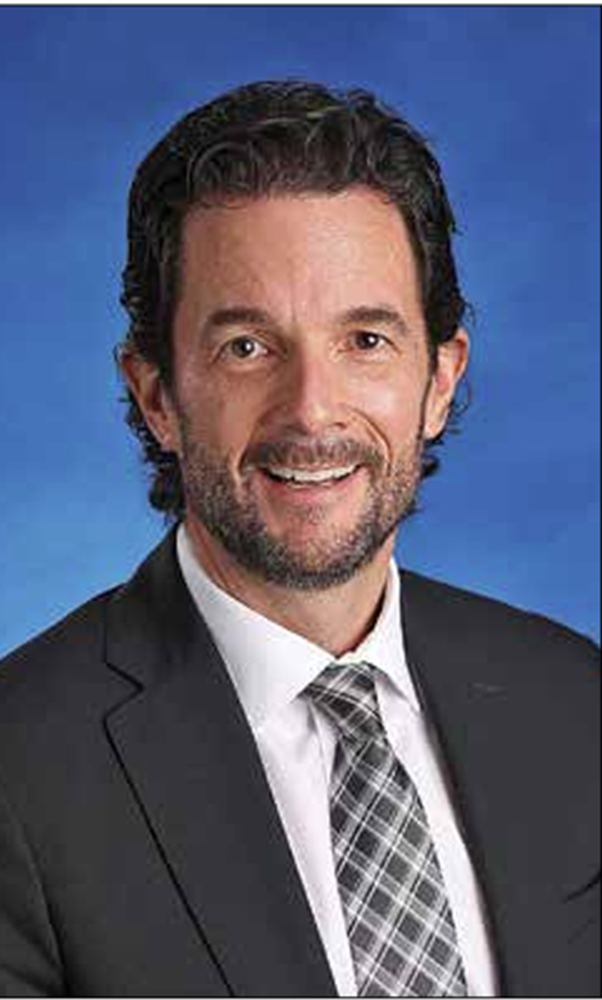
Chief education officer, Wes Hahn, provided an update in August on the ‘TLDSB Voices’ initiative, which he said is becoming increasingly embedded in the board’s strategic and operational planning.
The program encourages engagement with parents, guardians and students on key issues, ensuring communities play a meaningful role in identifying future priorities board-wide and for individual sites, Hahn said.
“The more we’ve built our operational plans throughout our system on Voices, the more it comes alive,” Hahn said.
Over the past five years, the board has conducted twice-yearly parent and guardian check-ins, school climate surveys for students and staff, hosted advisory group meetings, student forums and community breakfasts with local agencies.
Nearly 2,400 families responded to a fall 2025 survey, followed by another 1,550 respondents in spring 2026. The board also posted 33 policies to its virtual ‘Engage TLDSB’ platform, which families can use to participate in surveys and provide input on new or changing board policies.
Hahn said 139 responses were considered by TLDSB staff last year, with the feedback producing some clear priorities for the board.
“We heard loud and clear… that we can do a better job transitioning work between our community agencies and TLDSB. That’s something we will do better,” Hahn said, specifically mentioning daycare providers and mental health agencies.
Violent behaviour in the classroom, and the board’s policy on handling those situations, also came up.
“Parents expressed concerns regarding classroom dysregulation and behaviour issues, noting the need to vacate classrooms due to incidents that disrupt student learning. TLDSB is working with staff to provide training and support to navigate behavioural challenges in the classroom,” he said.
Balancing screen time and the utilization of artificial intelligence in instruction is also constantly evolving, though Hahn said TLDSB wants to put more of a focus on traditional hands-on learning. He specifically mentioned encouraging students to read physical books, write with a pen and paper, or have conversations with classmates rather than texting or instant messaging.
TLDSB is also going back to the drawing board when it comes to homework. “What is the purpose of homework?
What is the research and evidence behind issuing it? Yes, there’s purpose when it helps build stamina, good routine and things kids will need in the future, but often parents say it becomes a very frustrating evening for their kids. So, we need to find a balance,” Hahn said.
Student feedback
TLDSB hosted three forums for students in Grades 7-10 last year, with Hahn saying he and other senior staff wanted to hear directly from teenagers on what’s working at schools and what isn’t. Around 90 students attended the three events.
“The feedback indicated that marginalized and racialized students often feel unsafe or unrecognized in schools… one of the key areas within the forum is the whole idea of students wanting to know when something is done – whether they experience discrimination or bullying – that something will be done about it,” Hahn said.
In response, TLDSB had developed an ‘anti-racism’ resource guide for teachers and administrators. Hahn said it’s filled with actionable items on how teachers can follow through with issues and how principals can support them.
“We can’t have students feeling afraid or unsafe because of this type of behaviour,” Hahn said.
Anxiety and depression levels remain a concern, while Hahn said students also want more individualized support and real-life guidance from teachers.
“They want to be more prepared. They talked about being afraid for the future, not feeling equipped yet. We do great work with kids through our post-secondary pathways program, but we can probably do more,” Hahn said.