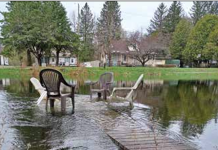

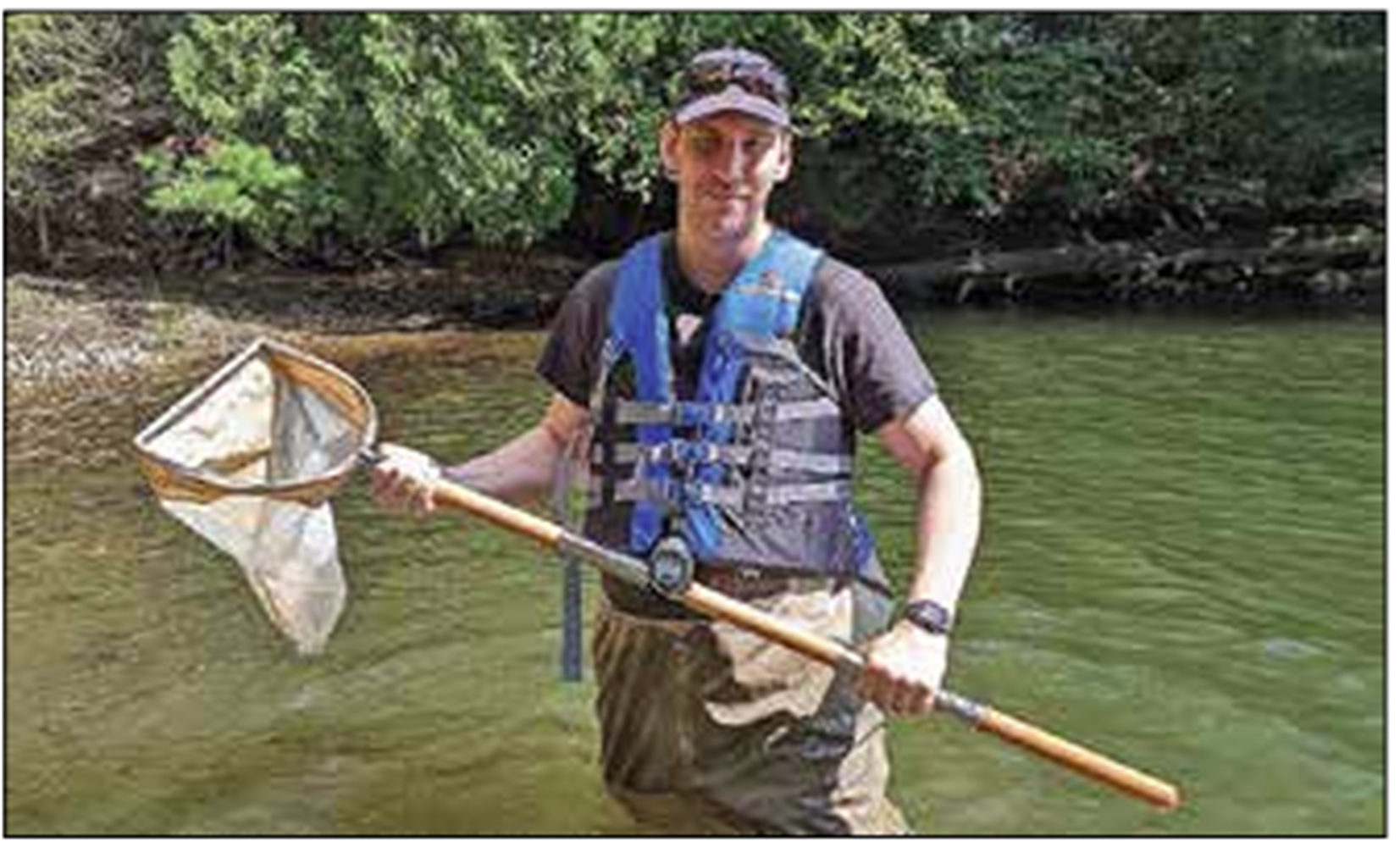
Two Haliburton men – who illegally used an excavator last summer to remove woody debris and aquatic vegetation along the Lipsy Lake shoreline – have been convicted and fined for unlawful use of machinery on lake shore lands.
The Ministry of Natural Resources said on May 22 that the men were fined $2,000 each after pleading guilty to unlawfully dredging shore lands without a permit.
The Ontario Court of Justice heard that on Aug. 11, 2025, the men were operating an excavator on the shore of Lipsy Lake, in Dysart et al, north of Haliburton.
“While attempting to remove woody debris and aquatic vegetation along the shoreline, the excavator was driven into the waters of Lipsy Lake,” the MNR said.
They added the lakebed was scraped and dredged using the heavy machinery, without the men having obtained a permit.
“Witnesses observed the excavator in the water and immediately reported the incident to the ministry TIPS line. The ministry’s district staff responded to the incident, completing a damage assessment before handing the investigation over to conservation officers,” the ministry said last Friday.
Justice of the Peace, Joel Kulmatycki, heard the case in the Ontario Court of Justice, City of Kawartha Lakes, Feb. 24.
Incident used for public education
There was no remediation order associated with the conviction.
As the incident happened in Dysart et al, chief building official Karl Korpela said their bylaw enforcement officer conducted a joint investigation with the MNR and, “it was determined that this was outside of our jurisdiction as all of the work was completed below the high-water mark.”
Haliburton County master gardener Carolyn Langdon told The Highlander that two weeks ago, she was able to stop a person in mid-destruction from doing a similar thing. She said she convinced the man to return the shoreline elder bushes and soil from the lake back to approximately where it was.
Check before you remove
With the recent conviction and fine, and Langdon’s experience, U-Links program coordinator Frank Figuli said it’s a good reminder for full-time and seasonal residents about the do’s and don’ts of shoreline health.
“From an ecological standpoint, shoreline and near shore areas are some of the most sensitive and productive habitats within an aquatic system. People typically perceive aquatic vegetation and woody debris as a nuisance or a hinderance to enjoying the lake. But they truly do provide important ecological functions like fish habitats, shoreline stabilization, erosion resistance, nutrient cycling, and just overall benefits to water quality protection.”
Figuli said they have done an aquatic plant inventory of Lipsy Lake, indicating an absence of invasive plant species.
He said using heavy equipment, such as an excavator, in a lake below the high-water mark can result in sediment disturbances, possible destruction of habitat, lead to shoreline destabilization – and can impact other properties and the larger lake ecosystem.
He said people should use their lake associations as a resource.
“Cooperation with lake associations should be front of mind, particularly because they are working with organizations such as the Haliburton County Master Gardeners, U-Links, Abbey Gardens, etc. You can get more informed decision-making potential by checking in versus just going off on your own.”
The Highlander asked the MNR how one obtains a permit, and how it ensures work is done properly. We did not have a response as of press time.
To report a natural resource problem, or provide information about an unsolved case, members of the public can call the ministry TIPS line toll free at 1-877-847-7667. You can also call Crime Stoppers anonymously at 1-800222-TIPS. For more information about unsolved cases, visit ontario.ca/MNRTips.