
Finding more ways to celebrate the community’s heritage, history and identity are core themes of a proposed five-year update to the Dysart et al cultural plan, says Erin Lynch, chair of the township’s cultural resources committee (CRC).
She told The Highlander during a recent interview that she hopes to have the new document ratified by council and officially adopted by spring.
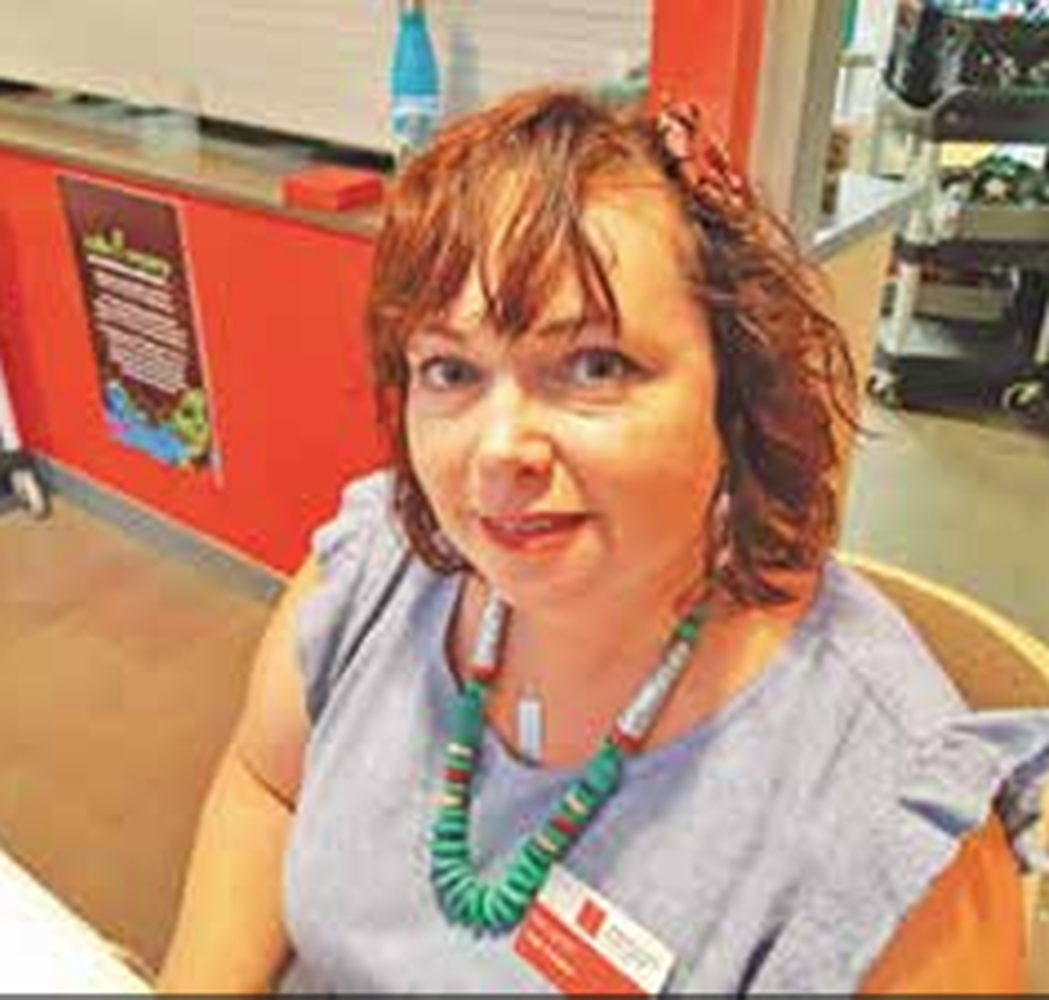
A refreshed plan was presented to council in December. Work has been completed by County-based consultant Heather Reid, who was hired last summer to bring the township’s existing plan, adopted in 2012, up to date.
“The original plan was intended to be a 10-year plan, it was never meant as a final document. We’ve seen a lot of changes in our community in recent years – whether it’s the influx of people who have moved up here, we’ve certainly seen an increase in diversity. So, we have to respond to all of that,” Lynch said.
Reid spent months consulting with the public, Lynch said. A targeted survey to local cultural groups drew 59 responses, with a community meeting at the Haliburton School of Art + Design (HSAD) in November providing further opportunity for residents to weigh in.
Keeping with the theme of the original plan, Reid expanded on the document’s four original goals – seeing the municipality take a more active role in cultural planning and development; taking steps to build and promote a strong and dynamic cultural sector; finding ways to expand cultural and economic development; and supporting projects that boost local heritage and identity.
Through the first pillar, Reid said one of the main objectives of the update is to improve lines of communication between council and the cultural resources committee, clarifying for community groups how the relationship works so they know who to approach with concerns.
“We also want to educate the community about the CRC and their role, enhancing connections with the hamlets and thinking about policies that make sense for cultural initiatives as this area changes and evolves,” Reid said.
Given the changing dynamics of the local population, Reid said there’s also a need to expand on cultural offerings. She pointed to events like the Diwali in Haliburton, hosted by Dance Happens Here Haliburton in November, as a perfect example of something new locals can enjoy.
Reid said there’s also a desire to strengthen connections with “community linchpins” like HSAD and CanoeFM, while also finding new ways to improve youth engagement and improve the downtown.
On cultural and economic development, Reid said something as simple as utilizing existing GIS infrastructure to populate a virtual map showcasing Dysart’s many cultural offerings could go a long way to improving awareness of local events and businesses.
Diving deeper on heritage and identity, Reid said the CRC has supported two important historical projects in recent years – the installation of informative panels at the Eagle Lake beach telling the story of how the hamlet became the rhubarb capital of Ontario, and something similar for Glebe Park celebrating the area’s Indigenous history.
“There so much potential for more historical research to be done – some of the topics outlined by the community include logging, Indigenous people, hockey, aggregates, hunting, the Molou Theatre, the lodges of Lake Kashagawigamog, forestry, fishing,” Reid said. “This is where we can see an opportunity for so many different groups in our community to get involved and capture these stories.”
Mayor Murray Fearrey said he doesn’t think the township has done a good enough job of celebrating the community’s history.
“We have pieces here and there, but no coordinated effort to fill in the big picture. I think that’s something we could focus on, for sure,” Fearrey said.
Lynch said the CRC will meet Feb. 12, where it’s expected a recommendation will be made for council to support the update. The file will be discussed again by council before being adopted.