
By Adam Frisk Local Journalism Initiative Reporter
Environmentalists with The Land Between are asking hunters, harvesters, anglers, and shoreline property owners to share with them what they are seeing in the bush and on lakes during two free talking circles.
Hosted with Curve Lake First Nation, the two public gatherings are designed to help collect everyday observations from people on the ground about wildlife populations, water levels, and lake health across Haliburton County and the Highlands.
The first session focuses on hunting and harvesting. It is scheduled for Nov. 26 at the Robert McCausland Memorial Community Centre in Gooderham, from 6 to 8 p.m. The second session is intended for lakefront property owners. It is set to be held on Dec. 9 at the Marshland Centre in Selwyn.
Speaking to The Highlander, Jess Livingstone, Blue Lakes program co-ordinator with The Land Between, explained that getting first-hand reports from on-the-ground residents can often catch details and information that scientific surveys often miss.
“As a scientist, I can go in and set camera traps and see kind of what’s going on in a point in time, but I’ll never get the same experience as someone who has it happen in their backyard, and they see it every day,” Livingstone explained. “Especially with funding resources being pretty slim for a lot of surveying work nowadays, you might be able to answer maybe one or two questions, but the community might have 10. So it’s important to kind of have different avenues of this data collection.”
During the session, attendees are seated in a circle and pass around a feather or bundle. Whoever holds the item has the floor, giving everyone a chance to speak without interruption or having to raise a hand and walk up to a mic, like at a town hall meeting. Curve Lake First Nation’s Gary Williams will co-host both sessions, continuing the longstanding partnership with the First Nation and the charity.
Livingstone said that once the sessions wrap up, staff pair what people shared with specific communities to map out environmental hot spots.
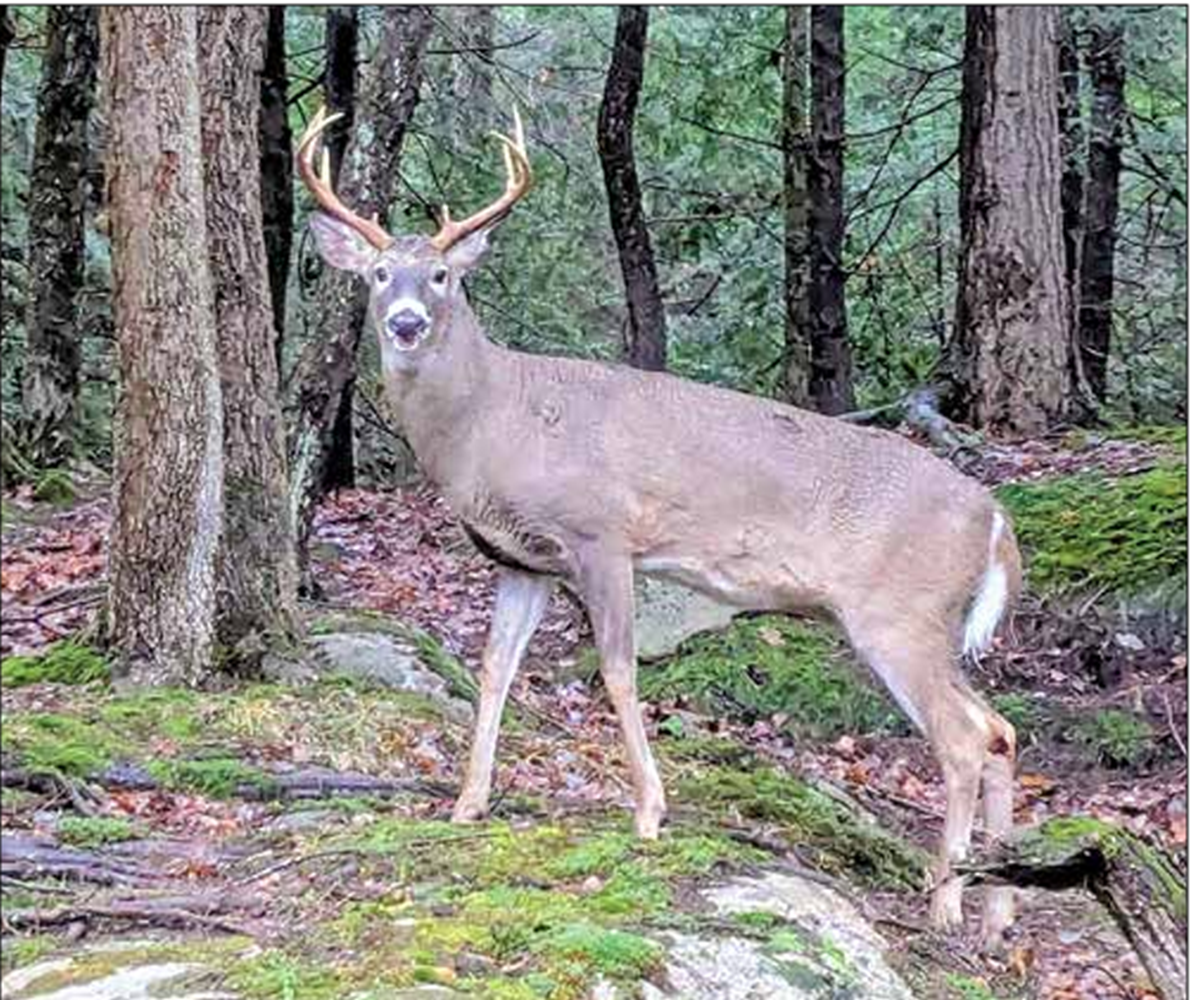
At an April talking circle, people from Haliburton reported low water and fewer ducks. But just up the highway in Tory Hill, attendees said their ponds never dried up, and ducks and frogs were doing fine. Hunters at that same session told stories of coywolves, an eastern wolf-coyote hybrid, taking down deer right on their properties, a contradiction to what many biologists have said those animals eat. Residents also noted deer numbers are up while eastern wolf sightings have dropped off, Livingstone said.
“We are grateful for the community that’s around us for being so willing to help with data collection and be so willing to share their observations and experiences,” she said. “It really does make a difference, and it helps us figure out our priority areas for upcoming conservation efforts and where we need to focus our energy more.”
At the Nov. 26 session, organizers want to hear about waterfowl, deer, and other wildlife about their populations and habitats. The Dec. 9 talk in Selwyn will cover low water, algae, lake inhabitants, and boat usage.
Coffee, snacks, and workbooks are provided at both events. Admission is free, though organizers ask people to RSVP through the QR codes on event posters or by calling Leora Berman (705) 854-2770.