
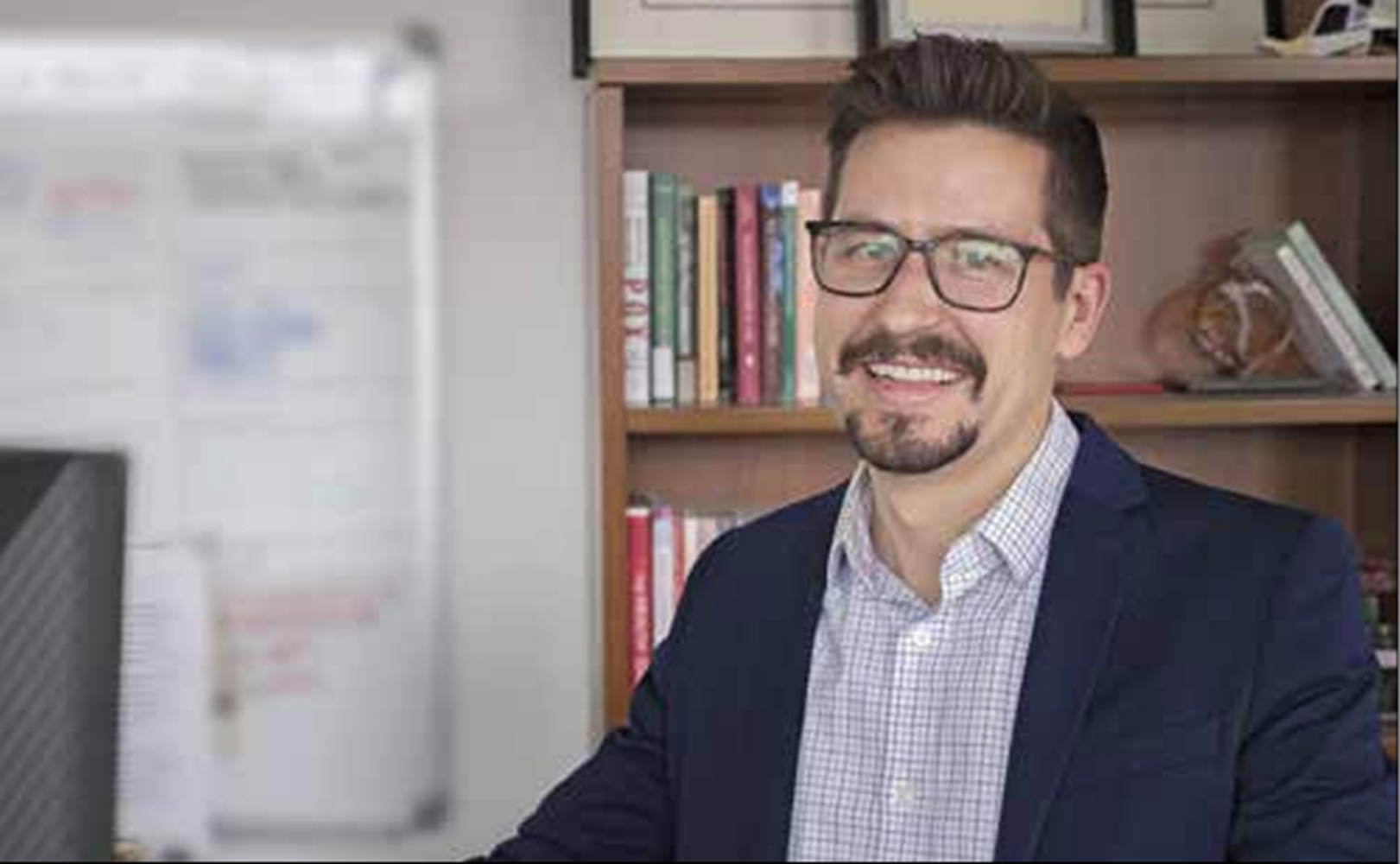
With changes to the Ontario Public Health Standards (OPHS) coming into effect next year, Lakelands Public Health’s (LPH) Dr. Thomas Piggott said there’s some angst locally about how much the changes, combined with alterations to merger-related funding, may impact the organization’s bottom line.
Piggott said he expects the message from the provincial government to be to continue doing more with less.
“Our team is not anticipating a narrowing of the scope of the standards… our mandate is as significant as before,” Piggott said at a Sept. 16 board of health meeting.
He told how, over the past 11 years, Ontario’s public health agencies have received an accumulative seven per cent increase to base funding – way below the inflation rate of 32 per cent.
While LPH has received additional funds over the past two years, due to the 2025 merger between Peterborough Public Health and the Haliburton, Kawartha, Pine Ridge District Health Unit, Piggott said it hasn’t been enough to prevent job losses. Since the merger, he said the organization had found over $2 million in efficiencies.
“There have been layoffs through the merger of non-union staffing. We have had very significant restructuring at the management and director level already,” Piggott said. “The deficit we’re in would be so much worse had we not sharpened our pencils, done that hard work and made those difficult decisions through the merger period.”
The Highlander asked about the deficit, but weren’t given a total. LPH’s communications manager, Ashley Beaulac, said the organization is required to submit a balanced budget to the province each year.
“Staff have identified potential fiscal challenges for the board that could impact the 2027 budget. These include the ending of one-time funding to support merger implementation, anticipated by March 2027,” Bealuac said.
She noted the 2027 budget would be approved in January. Last year, the organization received $7.6 million in regular funding and almost $9 million in one-time stabilization money from the province.
Staffing represents about 80 per cent of the health unit’s costs.
The Ontario government promised additional money for voluntary mergers for three years in 2023, though some municipal officials are starting to worry about the long-term impacts of the union.
Peterborough County warden Bonnie Clark and City of Peterborough coun. Keith Riel said their municipalities would have faced 20-plus per cent increases to their public health budgets last year without the merger funds. They’re worried about that sort of increase being passed down to ratepayers once the extra money dries up.
Board chair Ron Black said he and Piggott are working with the province to try and secure additional mitigation funds in year four of the merger.
“We would like to hold their face to the fire… on the promise that these voluntary mergers wouldn’t cost municipalities any additional money,” Black said.
He said the funding formula for municipalities is done on a per capita basis, meaning those with the highest populations pay the most. Piggott said, for years, locallevel governments have stepped forward to bridge the gap between the province’s annual funding increase and inflation.
That’s meant the health unit has been able to tread water in most areas, but Piggott is worried staff, through no fault of their own, are starting to fall behind.
“Our staff are working incredibly hard and still are not able to meet our mandated mission. There are several areas we’re unable to comply [with the OPHS]… so the thought of further front-line staff reductions is not one that is advisable,” Piggott said.
Staff have been working on a new multiyear strategic plan that Piggott said will guide LPH’s future priorities. The document is expected to be completed in December, presented to the board in January and officially adopted by April.
Public consultation is a key part of the process, with 744 people surveyed this year on public health programming and processes. Five major priorities were outlined, including running vaccination clinics, offering disease information and prevention, completing public health inspections, infection prevention and control, and emergency response to outbreaks.
Some of the key priorities pitched include more supports for mental health and addictions, education around healthy aging for older people, information on climate change and environment health, increased access to primary care, investigating food insecurity and poverty; and focusing on early childhood health and development.