
People can learn more about options for a potential restructuring of the County and its four lower-tier municipalities – as well as provide feedback – during a series of town hall meetings from Aug. 25 to 31.
The gatherings follow the publication of the final report for the County’s communitywide affordability and governance structure study, completed by independent, thirdparty, consultant the Eastern Ontario Regional Network (EORN).
Undertaken to address mounting financial pressures on the County and its lower-tier municipalities, the report provides options for what the County said is “enhanced long-term sustainability and analyzes four potential governance models.”
They are: the status quo, amalgamation, and two hybrid models that would see the County take on much more responsibility; one with four townships maintained, and one with two townships maintained (Algonquin Highlands and Minden Hills merging and Highlands East and Dysart et al combining forces).
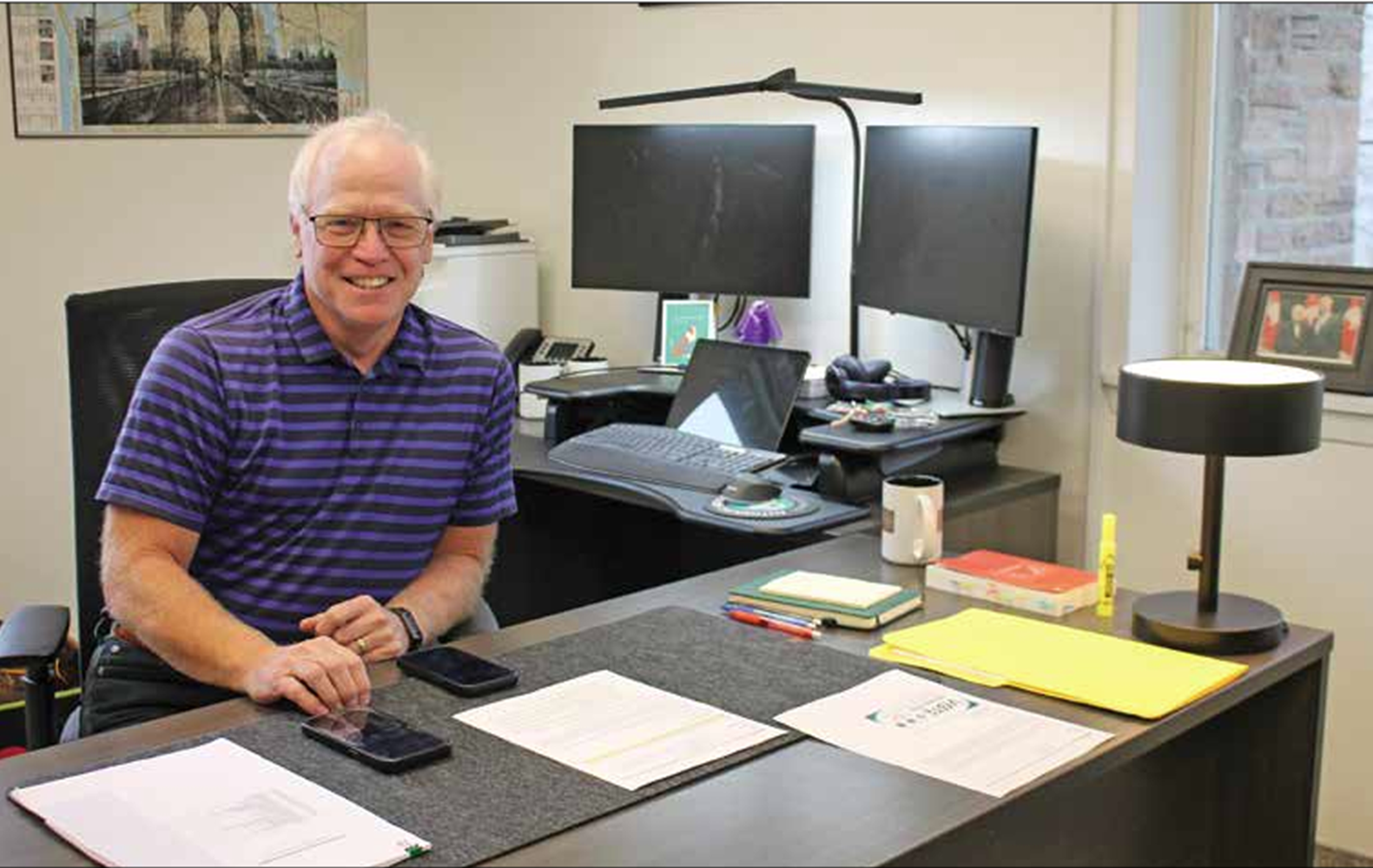
County warden Dave Burton said, “I encourage all residents of Haliburton County to make a point of attending one of the upcoming town hall meetings. This is, ultimately, a discussion about the community’s future, and we’re hoping as many people as possible will get involved, learn about the options, and provide their input.”
The town hall meetings will take place: Aug. 25 at the Haliburton Legion from 6 to 8 p.m., Aug. 26 at the Minden Hills Community Centre from 6 to 8 p.m., Aug. 27 at the Lloyd Watson Centre in Wilberforce from 6 to 8 p.m., and Aug. 31 at the Stanhope Firefighters’ Community Hall from 6 to 8 p.m.
Registration is not required. Residents are welcome to attend any of the meetings, regardless of where they live. People can view the report on the agenda for the Aug. 12 meeting of Haliburton County council: https://bit.ly/countycouncilagenda-aug12
Done to date
At the Aug. 12 meeting, council voted 7-1 to receive the report and have County staff work with EORN on a financial and structural analysis of all four governance models. This would be at a cost of up to $100,000. Already, $200,000 has been spent on consulting fees. The further findings will be presented to the 2026-30 council. Coun. Cec Ryall voted against.
He thought council should eliminate model four from further analysis. Addressing what he called “the elephant in the room” he asked, “does Highlands East want to be a subset of Dysart et al? … I think I can categorically say, for most of the people in Highlands East, the answer to that would be no.”
Coun. Liz Danielsen felt there needed to be more discussion on the model. “I’m fairly confident in saying that I don’t believe the municipality of Algonquin Highlands wants to be lost in the shuffle and become part of the Township of Minden Hills.” She said it was about identity.
With regards to the process being rushed, County CAO Gary Dyke said, “the pace of process and the style of process is the decision of the new council.” He added examples of services being moved around were ideas, but council would make the decision.
Coun. Tammy McKelvey was conscious of the process not taking too much time as, “it’s really difficult on staff when it’s spread out over four years…they are going to feel like it’s a black cloud hanging over their heads.” Dyke thought an amalgamation, for example, could occur in 14-18 months.
Dysart coun. Nancy Wood-Roberts asked how reserves and debt would be handled. Consultant Maureen Adams said ratepayers of each township would be responsible for reserves and debts. Adams said it could mean different tax rates initially, then stabilization.
Dysart mayoral candidate, Greg Bishop, said if they are bold enough to amalgamate; the province would be involved. He suggested council leverage the province for things such as a better OPP funding formula.
Ryall said he will want to see financials on the cost of restructuring.
Coun. Jennifer Dailloux agreed they would want to “include short-term pain, followed by longer term-gain. It is going to hurt… taxes are going to go up…gently? fast? now? In the future? Or vice versa?”
Adams said it is not just about taxes, but capacity building. For example, she said a township experiencing flooding could have more resources to call upon, and more services could be brought in-house, versus contracting out.