

By Adam Frisk Local Journalism Initiative Reporter
With high water levels in the County’s waterways and dense forests, residents can expect a “dynamic” biting insect season this year, according to at least one expert.
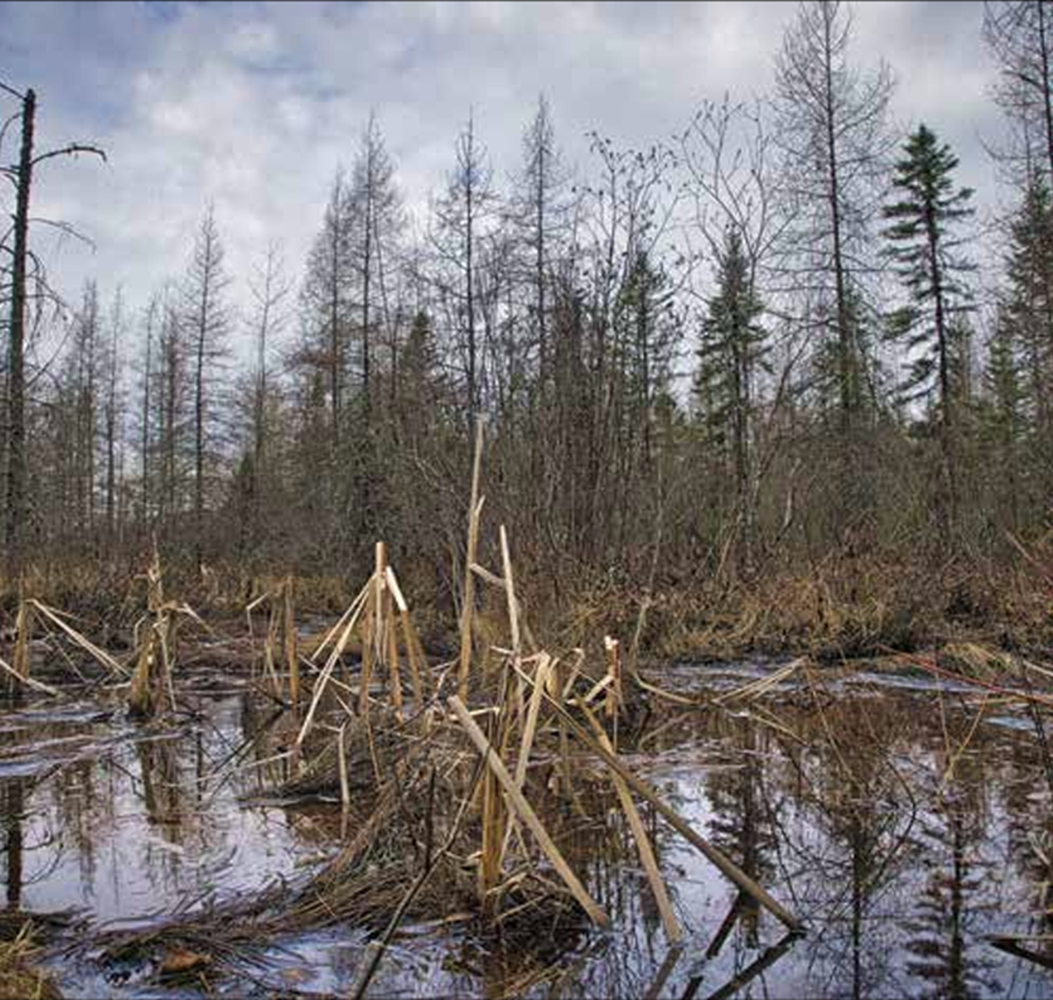
Author and outdoor educator Rick Whitteker explained that following a wet spring, the abundance of standing and flowing water has created ideal breeding conditions for both mosquitoes and black flies.
“In terms of bugs, mosquitoes like still water and standing water, so there’s going to be more of that in the forest, assuming we don’t have a drought right off the bat this spring, but it doesn’t look like that’s going to happen,” he said. “So, with dead standing water or still water, mosquito larvae do particularly well, and black flies love clean moving water.”
While last year saw high bug activity, Whitteker said the current environmental opportunity provided by the high levels of water suggests a significant population increase might be on our doorstep.
“I’m assuming the black fly population is going to do quite well, because there’s still a lot of water in the system, and they need rocky, clean water,” he said. “So, larvae can cling to the rock underneath the river, and then eventually float to the surface as an adult black fly.”
The author explained that despite the fluctuations in temperatures, including nighttime lows of near-zero degrees, they are unlikely to hinder the population of the biting buggers.
“They’re all underwater,” Whitteker said, noting larvae are protected from air temperature changes. However, as daytime temperatures rise, the rate of metamorphosis accelerates, which could lead to an earlier onset of the season.
“For the most part, with these bugs, it’s about temperature,” Whitteker said. “The warmer the temperatures, the earlier they’re going to be able to metamorphosize or change. If you get a warm spring, then you’re looking at a more dynamic population.”
To help protect yourself from the biting bug season, the expert suggested wearing light-coloured clothing, and do the ticktuck (tucking pant legs into socks) before heading out to prevent ticks from reaching the skin.
“It’s dawn and dusk when they’re most active,” Whitteker said. “Mosquitoes, in particular, just thrive in warm, humid conditions. So if you have a sunny breezy day, that’s a much better prognosis for a bug-free experience than a day that’s damp and warm.”
As spring progresses, the expert also said it’s important to distinguish between biting pests and beneficial insects and that some personal research may be required before using broad-spectrum pesticides, as many bugs and other creepy crawlies play an important role in fertilizing crops and gardens.
“Don’t just assume any bug is a bad bug,” Whitteker said. “They have specific roles that they’re playing to pollinate… and actually fertilize our vegetables and our flowers.”