
According to data logged by citizen scientists across Algonquin Highlands, the spiny waterflea and Chinese and banded mystery snails are the most prevalent aquatic invasive species found in the township, while Boshkung and Beech lakes boast the highest number of water-based non-native critters.
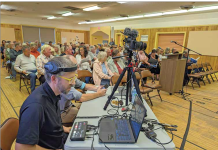
Trent University students Meagan Shier and Vidishi Hatwell have compiled a first-ever aquatic species inventory for Algonquin Highlands, delivering their report to council over the summer.
“The purpose of this project was to create a baseline inventory throughout Algonquin Highlands. We compiled existing records, identified invasive species present, and provided maps that can support future monitoring and education,” Shier said. “This gives the township a starting point for future stewardship and decision-making for lakes.”
Shier and Hatwell pulled information from existing databases like iNaturalist and EddMapS. They split invasive species into three categories – plant, fish and invertebrates.
While Shier said they did not find any prohibited species under the Ontario Invasive Species Act, there were several restricted species found. Invertebrates were the most populous of the three.
The students found 45 observances of the spiny waterflea in the watershed, with 29 Chinese mystery snails and 24 banded mystery snails identified. Zebra mussels were also found.
Problematic non-native plants include European frogbit, curly-leaved pondweed, yellow iris, Eurasian watermilfoil, phragmites australis and purple loosestrife. Among the species of invasive fish found were the rainbow smelt, rockbass and smallmouth bass.
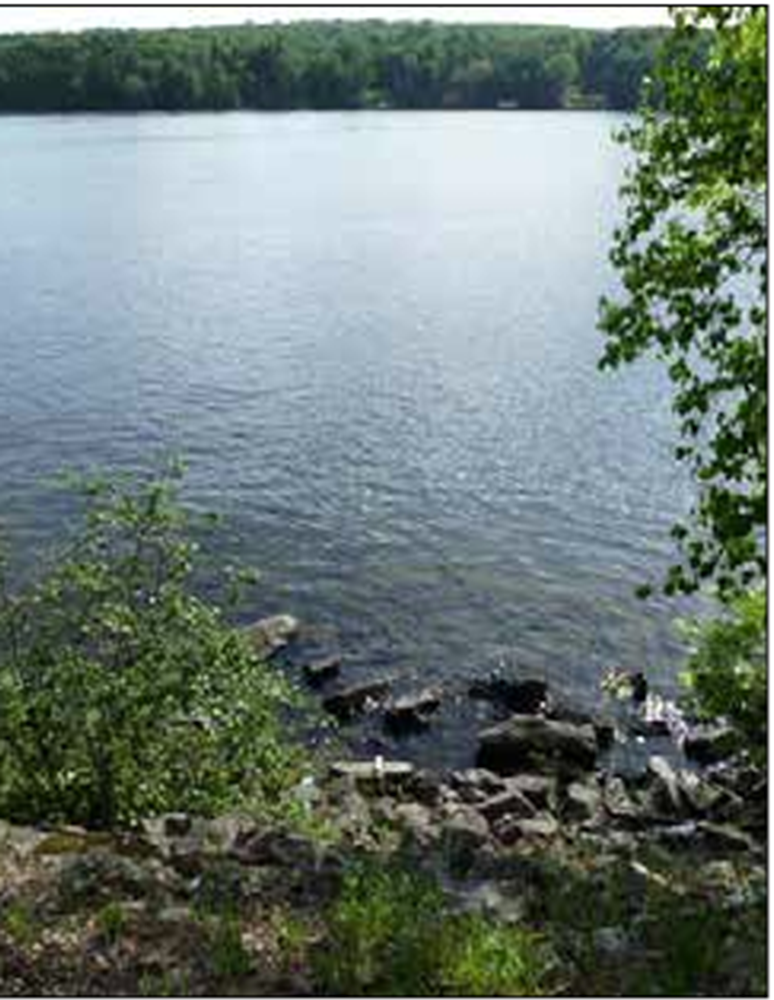
“Observation data shows invasive species are distributed across the township and not isolated to one lake,” Shier said, noting Boshkung, at 38 observations, and Beech at 29, had the highest total of confirmed non-natives. Council was told they should be the priority waterbodies for future observation, though Kushog, St. Nora, Big Hawk and Little Hawk lakes were outlined as secondary priorities.
Because the lake system in Algonquin Highlands is so interconnected, with ties to the Gull, Muskoka, and Lake Simcoe watersheds, Shier said there’s potential for invasive species to flow downstream, potentially impacting other lakes.
“Algonquin Highlands is a headwater region – that means the invasive species introduced here have a very large potential to spread. Species like zebra mussels and other invasive aquatic plants can alter water quality, nutrient cycling and aquatic food web structures pretty quickly,” Shier said.
The likeliest cause of invasive species entering a lake, Shier said, is inadvertent transfer from a boat that wasn’t properly cleaned after being on another lake.
Shier downplayed the likelihood of lakes eliminating invasive species once they’ve taken hold, saying it then becomes how to best manage the problem. The students put together a pamphlet that advises people how they can help stop the spread of non-natives.
Early detection remains the most effective management strategy, as trying to control or mitigate an already-populated species can be expensive. Earlier this summer, volunteers with the Drag and Spruce Lake Property Owners’ Association said they’ve spent around $180,000 removing Eurasian watermilfoil over the past six years, with no end in sight.
Get involved
Shier said public education is the key to further developing the inventory.
“This is intended to become a living resource that grows over time,” she said.
Deputy mayor Jennifer Dailloux, a member of the township’s environmental and stewardship committee, said the project, which U-Links partnered on, provides more of an understanding and awareness of the types of invasives impacting local water systems.
While the numbers provided by Shier and Hatwell were relatively low, Dailloux said there’s potential for the problem worsening before it gets better.
“Looking at the map, we’re not getting as much reporting in the northern lakes. We definitely need to focus on monitoring in the south, but raising awareness with some lake associations in the north is important too,” Dailloux said. “Paradoxically, it could be that the greatest indicator of success of this work comes in two or three years through more blips on the map. I think there’s action we can take to boost participation.”
Parks, recreation and trails manager, Chris Card, confirmed the township installed educational signage about invasive species and how to avoid spreading them at all municipal docks and landings in 2021.