
Haliburton Highlands OPP say they want to crack down on people reoffending in the community when already facing charges, or having been convicted of a crime.
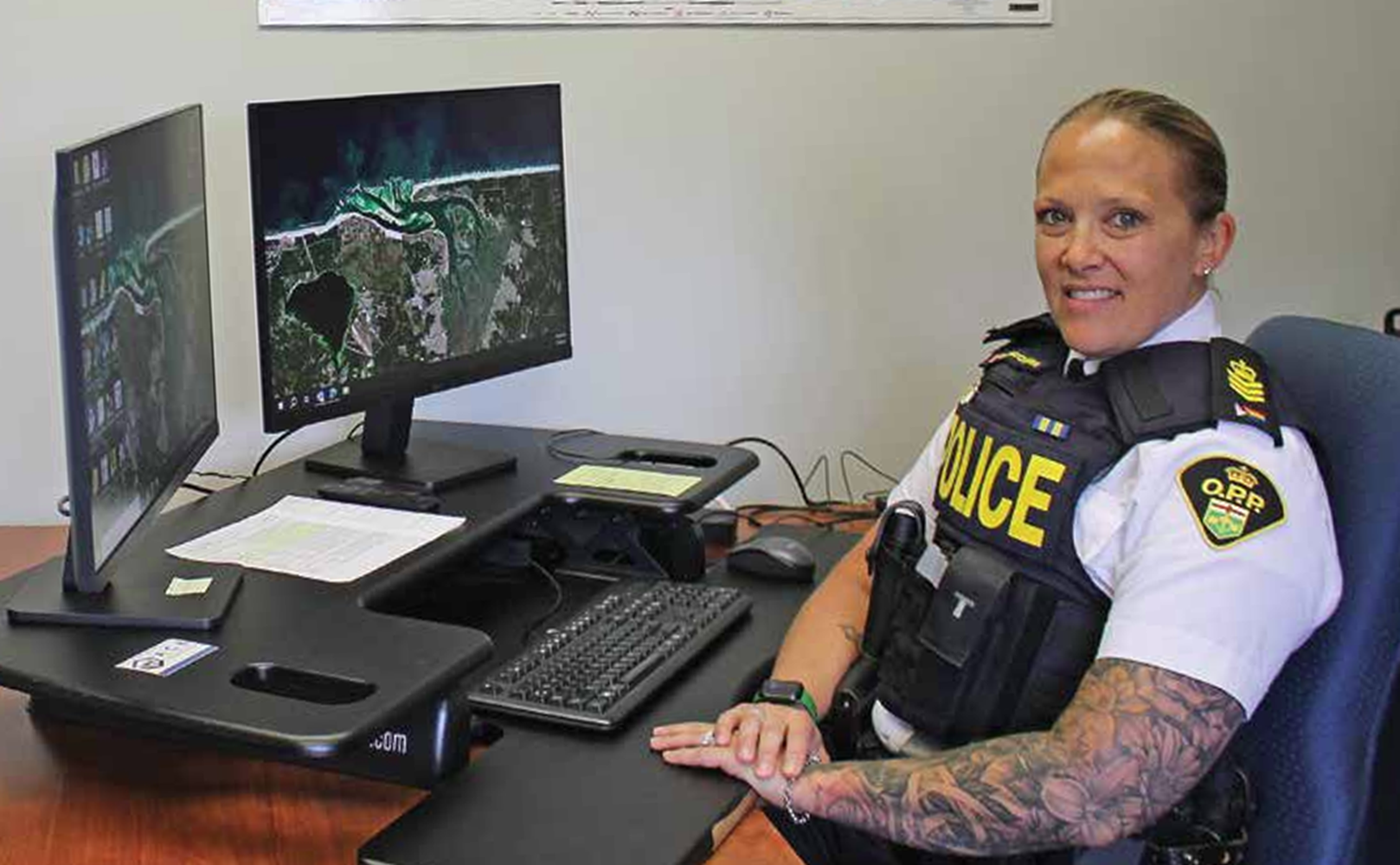
In their action plan for 2026-2029, discussed at the police detachment board meeting Jan. 21, board chair Andrew Fletcher said Staff Sgt. Deb McClure wants her members to focus on offender management.
“We’ve heard a lot of that around the province, about the arrest and bail provisions and the catch-and-release scenarios, but actually focusing on some proactive engagement where we’re looking at those judicial conditions people have on them and going after them as far as spending some time and some effort and some energy on ensuring compliance.”
Fletcher said it means increased checks and working with probation and parole. He also said they can track it statistically. “So, for example, if we know we have 10 offenders out on release and when we do our compliance checks, we have 70 per cent of them at home when they are supposed to be.”
McClure added each detachment is getting an officer specifically assigned to the program who will work with partners, such as probation, parole, and Crown attorneys.
Fletcher said, “if we actually check on the individuals, and make sure they’re home when they’re supposed to be home with curfew hours; and make sure they’re complying with their bail conditions; hopefully the word gets out amongst the offenders in the community that we’re going to be doing that, that will hopefully drive that compliance. Not with all offenders, but some offenders just continue to reoffend. If we can make sure they are not reoffending it keeps our community safe.”
The three pillars of the plan are crime; roadways, waterways and trails; and community well-being.
Actionables under the crime category also include: training and mentorship so police can better tackle trends impacting our community. They also want to do a better job of letting the public know what those trends are. With property crime, they want better coordination and more timely response. They also want to crack down on opioid use in the Highlands.
McClure said the plan outlines “commitments, actions, and desired outcomes” over the next four years.
The detachment commander said they had a “comprehensive” consultation process with “key stakeholders” such as board members, did a public survey, and held a town hall (which was sparsely attended).
“This action plan has been thoughtfully developed to address the evolving needs of our communities and to ensure the delivery of an effective, responsive, and high-quality police service for all who live in and visit Haliburton County,” McClure said.
Fletcher added, “we are confident that this plan will address the current and emerging concerns identified through consultation with the communities we represent. We believe this plan strikes a suitable balance of addressing crime and preventing victimization, while ensuring resources focus on road, trail and waterway safety, along with expanding on our commitment of engagement and partnerships that enhance community well-being.
Roads, waterways, trails
When it comes to roads, lakes and trails, OPP are committed to a number of actions. For example, they want more local expertise in specialized traffic enforcement. They want to continue to focus on impaired driving, distracted driving, speeding and aggressive driving, as well as lack of seatbelt use; and educating the public better. Further, they want to be out on all terrain vehicles and motorized snow vehicles trails year-round and waterways in summer.
As for well-being, they want to interact more with youth, including structured and unstructured programming; spread the word about OPP and auxiliary jobs locally; and better help with mental health issues, substance abuse and addictions, persons with disabilities, homeless, and working to reduce gender-based violence and hate-motivated crime.
During the meeting, board member Bob Carter’s question about impaired driving was answered by McClure.
She said one-quarter of all charges in 2025 were by drug alone, or a combination of drugs and alcohol, while 75 per cent were alcohol impairment.
Carter said, “I think that’s something that should be tracked over time. Not really certain what we do with it. May be of interest, may show that there’s some changing social demographics going on.”
Fletcher agreed saying the need for drug recognition experts would have staffing implications for local OPP. McClure said she recently met with staff from Haliburton hospital about drug-related protocols. The plan is on the agenda of the police services board meeting for Jan. 21, 2026.